If you’re stepping into photography or thinking about upgrading your gear, one of the biggest decisions you’ll face is choosing between a mirrorless camera and a DSLR. Both systems are capable of producing stunning images, but they differ in design, performance, and user experience in ways that can significantly impact how you shoot.
Let’s break down the key differences and help you decide which one suits your needs best.
What’s the Core Difference?
The fundamental distinction lies in how each camera is built.
- DSLR (Digital Single-Lens Reflex) cameras use a mirror mechanism. Light enters through the lens, reflects off a mirror, and travels up into an optical viewfinder. When you press the shutter, the mirror flips up, allowing light to hit the sensor.
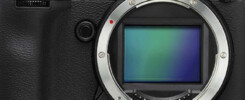
- Mirrorless cameras, as the name suggests, remove that mirror entirely. Light passes directly through the lens onto the sensor, and what you see is displayed digitally on a screen or electronic viewfinder.
This seemingly small change has big implications.
Size and Portability
Mirrorless cameras are generally smaller and lighter because they lack the bulky mirror system. This makes them ideal for travel, street photography, or everyday carry.
DSLRs tend to be larger and heavier, which some photographers actually prefer—especially when using large lenses, as the added grip and balance can feel more stable.
Viewfinders: Optical vs Electronic
• DSLRs offer an optical viewfinder, giving you a real-time, lag-free view through the lens. It’s bright, natural, and doesn’t rely on battery power.
• Mirrorless cameras use electronic viewfinders (EVFs). These display exactly what the sensor sees, including exposure, white balance, and depth of field in real time. What you see is truly what you get—but there can be slight lag or lower clarity in some models.
Autofocus and Speed
Mirrorless cameras have surged ahead in autofocus technology in recent years.
- Mirrorless systems often feature advanced autofocus with face detection, eye tracking, and real-time subject tracking. They’re especially strong for video and fast-moving subjects.
- DSLRs still perform very well, particularly in traditional phase-detection autofocus, but may lag behind in live view and video modes.
Battery Life
This is one area where DSLRs still shine.
- DSLRs can take hundreds or even thousands of shots on a single charge because the optical viewfinder uses no power.
- Mirrorless cameras rely on electronic displays, which drain batteries faster. You’ll likely need to carry spare batteries for longer shoots.
Video Capabilities
Mirrorless cameras are generally the better choice for video.
They offer:
- Faster and more accurate autofocus during recording
- Better real-time exposure preview
- More compact setups for handheld or gimbal use
DSLRs can shoot video too, but they often feel less optimized for it.
Lens Selection
DSLRs have been around longer, so they typically have a wider selection of lenses, especially in second-hand markets.
Mirrorless systems are catching up quickly, and many brands now offer robust lens lineups. Additionally, adapters allow you to use DSLR lenses on mirrorless bodies—though sometimes with limitations.
Image Stabilisation
• DSLR: Generally relies on lens-based image stabilisation, although some recent models incorporate in-body stabilisation (IBIS).
• Mirrorless: Many mirrorless models now offer in-body image stabilisation (IBIS), which works with any lens and can stabilise handheld shots more effectively.
Continuous Shooting (Burst Mode)
• DSLR: Mechanical shutter speeds are often fast, but the mirror movement can limit how quickly photos can be taken in succession.
• Mirrorless: Mirrorless cameras often offer faster burst rates, especially in electronic shutter mode, since there’s no mirror movement to reset after each shot.
Price Considerations
- Entry-level options exist for both systems, but DSLRs can be more budget-friendly, especially if you’re buying used gear.
- Mirrorless cameras often come with newer technology, which can make them pricier—but also more future-proof.
Which Should You Choose?
Choose a mirrorless camera if you:
- Want something lightweight and portable
- Shoot video frequently
- Value cutting-edge autofocus and modern features
Choose a DSLR if you:
- Prefer a traditional shooting experience
- Need long battery life
- Want access to a wide, often cheaper lens ecosystem
Final Thoughts
There’s no one-size-fits-all answer. Both mirrorless and DSLR cameras are capable of producing incredible images. The right choice depends on your shooting style, preferences, and budget.
If possible, try both in your hands before deciding. The feel of a camera can be just as important as its specs—and the best camera is the one you’ll actually enjoy using.
Have you made the switch to mirrorless, or are you sticking with DSLR?
FAQ
A: Mirrorless cameras offer newer technology, better video, and advanced autofocus, but DSLRs still excel in battery life and optical viewfinders.
A: Many professionals are switching to mirrorless, though DSLRs are still widely used.
A: Mirrorless cameras are often easier to use, but budget-friendly DSLRs are also great for beginners.