Wildlife photography is one of the most rewarding and challenging forms of photography. It combines patience, technical skill, and a deep appreciation for nature. Whether you’re capturing birds in your back garden or documenting animals on a safari, wildlife photography offers a unique way to connect with the natural world and tell powerful visual stories.
What Is Wildlife Photography?
At its core, wildlife photography is about capturing images of animals in their natural habitats. Unlike studio photography, you don’t control the environment, lighting, or subject. This unpredictability is part of what makes it so exciting—and sometimes frustrating.
Wildlife photography can range from close-up portraits of insects to sweeping shots of herds crossing vast landscapes. It often overlaps with nature and conservation photography, helping raise awareness about biodiversity and environmental issues.
Essential Gear to Get Started
You don’t need the most expensive equipment to begin, but certain tools will make your life easier:
- Camera: A DSLR or mirrorless camera with fast autofocus is ideal.
- Lens: A telephoto lens (200mm or more) helps you photograph animals from a safe distance.
- Tripod or Monopod: Stabilises your camera, especially useful for heavier lenses.
- Extra Batteries & Memory Cards: Wildlife moments can be unpredictable—always be prepared.
If you’re just starting out, even a basic camera with a zoom lens can produce great results.
Read more about Wildlife Photography Gear to get you started.
Understanding Animal Behavior
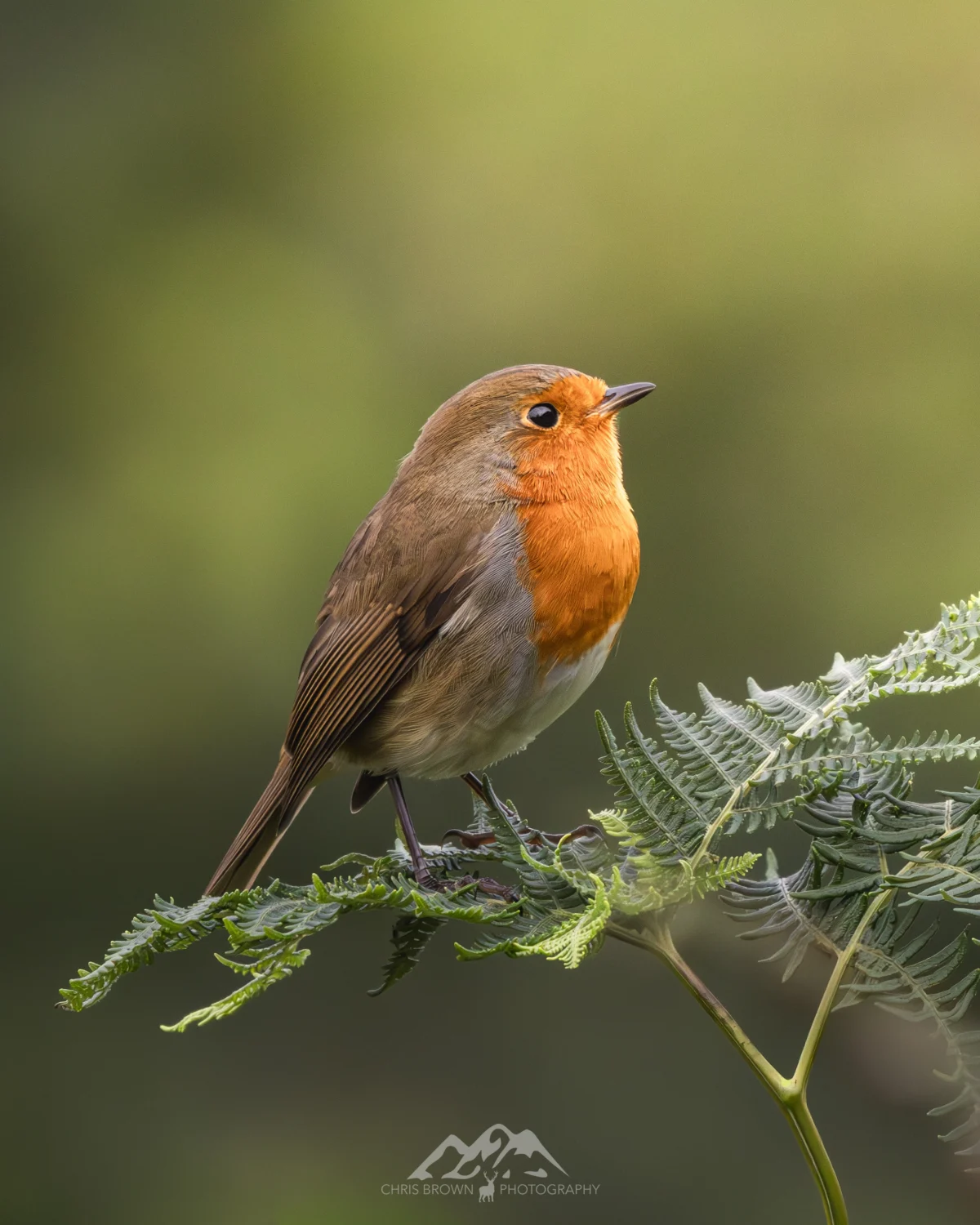
One of the most important skills in wildlife photography is learning how animals behave. Knowing when an animal is likely to move, hunt, or perch can help you anticipate the perfect shot.
Spend time observing before you start shooting. Notice patterns, listen for sounds, and be patient. The more you understand your subject, the better your photographs will be.
Camera Settings Basics
Wildlife photography often involves fast-moving subjects, so getting your settings right is crucial:
- Shutter Speed: Use a fast shutter speed (e.g., 1/1000s) to freeze motion.
- Aperture: A wide aperture (e.g., f/4–f/6.3) helps blur the background and isolate your subject.
- ISO: Adjust ISO depending on lighting conditions—don’t be afraid to increase it in low light.
- Focus Mode: Continuous autofocus (AI Servo/AF-C) is ideal for moving animals.
Practice these settings so you can adjust quickly in the field.
The Importance of Light
Lighting plays a huge role in photography. Early mornings and late afternoons—often called the “golden hour”—provide soft, warm light that enhances your images. Be prepared for some early morning or late evenings.
Avoid harsh midday sun when possible, as it can create strong shadows and washed-out colors. Cloudy days, however, can offer soft, even lighting that works beautifully for certain scenes.
Ethics and Respect for Wildlife
Great wildlife photography should never come at the expense of the animal’s well-being. Always keep a safe and respectful distance. Avoid disturbing animals, especially during sensitive times like nesting or feeding.
Follow local guidelines. Ethical practices not only protect wildlife but also ensure more authentic and meaningful images.
Tips for Beginners
- Start close to home—parks and nature reserves are great practice grounds.
- Be patient; sometimes the best shots take hours (or days) to capture.
- Learn from others by studying wildlife photographers’ work.
- Take lots of photos and review them critically.
- Don’t get discouraged—missed shots are part of the learning process.
Final Thoughts
Wildlife photography is a journey that teaches you as much about nature as it does about photography. With time, practice, and respect for the environment, you’ll not only improve your skills but also develop a deeper connection to the world around you.
So grab your camera, head outdoors, and start exploring—there’s a whole wild world waiting to be captured. Enjoy it.