If you’ve ever wondered how photographers freeze a bird mid-flight or create those silky-smooth waterfall shots, the answer lies in one powerful setting: shutter speed. It’s one of the three pillars of exposure (alongside aperture and ISO), known as the Exposure Triangle and mastering it can dramatically elevate your photography.
What Is Shutter Speed?
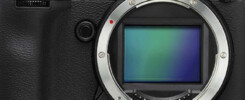
Shutter speed refers to how long your camera’s shutter remains open, allowing light to hit the sensor. It’s typically measured in seconds or fractions of a second, such as 1/1000, 1/250, 1/30, or even several seconds for long exposures.
- Fast shutter speeds (e.g., 1/1000) let in less light and freeze motion.
- Slow shutter speeds (e.g., 1 second) let in more light and capture motion as blur.
Think of it like blinking: a quick blink captures a sharp moment, while a slow blink blends motion over time.
Freezing Motion with Fast Shutter Speeds
Fast shutter speeds are ideal when you want to capture crisp detail in moving subjects:
- Sports photography
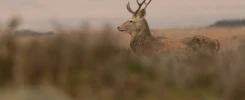
- Wildlife shots
- Action scenes
For example, to freeze a runner mid-stride or a splash of water, you might use 1/500 or faster. The quicker the subject moves, the faster your shutter speed should be.
Creating Motion Blur with Slow Shutter Speeds
Slow shutter speeds introduce motion blur, which can be used creatively:
- Waterfalls appear smooth and dreamy
- Car lights turn into streaks at night
- Moving crowds blur into ghost-like figures
This technique adds a sense of movement and atmosphere. However, slower speeds often require a tripod to avoid unwanted camera shake.
The Relationship Between Light and Shutter Speed
Shutter speed directly affects exposure:
- Faster speed → darker image
- Slower speed → brighter image
Because of this, changing your shutter speed often means adjusting aperture or ISO to maintain proper exposure.
Avoiding Camera Shake
When shooting handheld, a general rule is to keep your shutter speed at least as fast as the focal length of your lens. For example, with a 50mm lens, aim for 1/50 or faster.
If you go slower:
- Use a tripod
- Enable image stabilisation (if available)
When to Use Different Shutter Speeds
Here’s a quick guide:
- 1/1000 – 1/4000: Freeze very fast action (sports, birds)
- 1/250 – 1/500: General action, street photography
- 1/60 – 1/125: Everyday handheld shooting
- 1/15 – 1/30: Low light (with steady hands or support)
- 1 second and longer: Night photography, light trails, creative blur
Final Thoughts
Shutter speed isn’t just a technical setting—it’s a storytelling tool. Whether you want to capture a split-second moment or convey motion and energy, understanding shutter speed gives you creative control over how your images feel.
Next time you pick up your camera, experiment. Try freezing motion, then slowing things down. You’ll quickly see how shutter speed transforms not just your exposure, but the entire mood of your photograph.