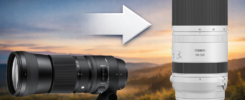
Wildlife photography sits at that perfect intersection of patience, technical skill, and the right gear. You can’t always control the light, the subject, or the environment—but you can control what’s in your bag. Over time, I’ve refined my setup to something that balances reach, portability, and reliability in the field.
My Core Setup
At the heart of my kit is the Canon R7 paired with the RF 100–500mm lens. This combination has been a game changer for wildlife work. The R7’s APS-C sensor effectively extends your reach, turning 500mm into an 800mm-equivalent field of view without the added weight of a super-telephoto prime.
The RF 100–500mm lens itself is versatile enough to handle a wide range of scenarios—from larger mammals relatively close by to birds that refuse to let you get anywhere near them. It’s sharp, relatively lightweight for its range, and the image stabilisation is a huge help when shooting handheld.
DSLR vs Mirrorless: What Actually Matters?
One of the biggest shifts in wildlife photography over the last decade has been the move from DSLRs to mirrorless systems. DSLRs are still capable tools—with great battery life and optical viewfinders—but mirrorless cameras now dominate for one simple reason: speed and intelligence.
Modern mirrorless bodies offer advanced subject detection (including animal and bird eye autofocus), silent shooting, and much faster burst rates. For wildlife, that’s a serious advantage when you’re trying to capture unpredictable movement.
When choosing a camera, there are a few key specs that matter far more than brand loyalty:
- Frame rate (FPS): Wildlife often happens in bursts of action. Many modern cameras shoot 20–40 frames per second, dramatically increasing your chances of getting “the shot.”
- Buffer depth: A high FPS is useless if your camera freezes after a second. A deeper buffer lets you sustain bursts longer—crucial for birds in flight or animal behaviour sequences.
- Autofocus system: Fast, accurate tracking is essential. Mirrorless systems tend to outperform DSLRs here, especially with AI-driven subject detection.
- Stabilisation: Look for either in-body image stabilisation (IBIS), lens stabilisation, or ideally both. Stabilisation helps keep images sharp when shooting handheld at long focal lengths.
Sensor Size: APS-C vs Full Frame
Sensor size is one of the most debated topics in wildlife photography—and for good reason.
- APS-C (crop sensor): Gives you a 1.5–1.6x “reach boost,” effectively magnifying your focal length. That’s incredibly useful for distant wildlife.
- Full frame: Offers better low-light performance and cleaner images at high ISO thanks to larger pixels.
In practice, APS-C is often a sweet spot for wildlife photographers who prioritise reach and portability, while full frame shines in low-light conditions and dynamic range. There’s no universal “best”—it depends on your style.
Lenses: Reach, Aperture, and Flexibility
If the camera body is the brain, the lens is everything else. In wildlife photography, your lens choice will often matter more than your camera.
Focal length is the first priority. As a general rule:
- 300–400mm: Good for larger animals or closer encounters
- 500–600mm+: Ideal for birds and distant wildlife
This is why lenses like a 100–500mm zoom are so valuable—they give you flexibility across multiple scenarios without needing to switch gear.
Aperture (f-stop) is the next key factor:
- Wider apertures (f/2.8–f/4): Better in low light and produce stronger background blur
- Narrower apertures (f/5.6–f/7.1): More common in long zooms, lighter and more affordable
In wildlife photography, you’re often trading aperture for reach. Many photographers accept slower lenses because getting close enough to fill the frame is usually the bigger challenge.
Finally, consider image stabilisation in lenses, especially at longer focal lengths. Even with fast shutter speeds, stabilisation helps reduce fatigue and improve keeper rates.
Support Gear: Tripods and Monopods
Even with good in-body and lens stabilisation, support systems make a big difference—especially during long waits or when using the full 500mm reach. A sturdy but lightweight tripod is ideal for static situations like bird hides or sunrise stakeouts. For more mobility, try a monopod. It gives you stability without slowing you down.
A gimbal head is another worthwhile addition if you’re using longer lenses frequently. It allows smooth tracking of moving subjects like birds in flight.
Camera Accessories That Matter
Extra batteries are non-negotiable. Wildlife sessions can stretch for hours, and cold weather drains batteries faster than you’d expect. I always carry at least two spares.
Memory cards are another area where it’s worth investing in quality and capacity. Fast cards help keep up with burst shooting, especially when capturing action sequences.
A comfortable, weather-resistant camera bag is also key. You’ll often be hiking, crawling, or waiting in less-than-ideal conditions, so your gear needs protection—and you need easy access.
Clothing and Personal Gear
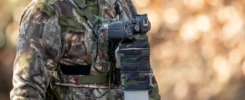
It’s easy to focus only on camera equipment, but what you wear matters just as much. Neutral-colored, weather-appropriate clothing helps you blend into the environment and stay comfortable. Waterproof layers are essential in unpredictable conditions.
Good footwear is critical too. Whether you’re trekking through mud, snow, or rocky terrain, stable boots can make or break your day.
Field Extras
A few smaller items consistently prove their worth:
- Binoculars for spotting subjects before setting up your shot
- Lens cleaning kit to deal with dust, rain, or fingerprints
- Portable hide or camouflage gear when working in open areas
- Snacks and water, because wildlife doesn’t operate on your schedule
Final Thoughts
The truth is, great wildlife photography isn’t about having the most expensive gear—it’s about having the right gear for your style and environment, and knowing how to use it well. For me, the Canon R7 and RF 100–500mm lens strike that balance perfectly, offering reach, flexibility, and performance in a relatively portable setup.
Everything else in your kit should support that goal: staying ready, staying comfortable, and staying out long enough to let nature come to you.
FAQ: Wildlife Photography Gear
Not at all. While high-end gear offers advantages like faster autofocus and better burst rates, you can absolutely start with entry-level or mid-range cameras. Understanding animal behavior and practicing your technique will make a bigger difference early on.
In most modern scenarios, yes—particularly for autofocus tracking and burst shooting. That said, DSLRs are still capable and often more affordable on the used market.
The lens, by a wide margin. A high-quality telephoto lens will improve your wildlife images far more than upgrading your camera body.
More than you think. Wildlife is often distant or easily spooked, so 400mm is typically a minimum, with 500–600mm being ideal for birds and smaller subjects.
It depends on your style. If you’re stationary or working with very long lenses, a tripod (or monopod) is extremely helpful. If you prefer mobility, modern stabilisation systems make handheld shooting very viable.
There’s no single answer, but many wildlife shots are taken between f/5.6 and f/8 to balance sharpness and light. Wider apertures are useful in low light or for isolating subjects.
Very. Especially at longer focal lengths, stabilisation can significantly improve sharpness and reduce fatigue when shooting handheld.