Capturing wildlife in its natural habitat is both challenging and rewarding. Whether you’re a beginner or looking to refine your skills, these five tips will help you take more compelling and professional-looking wildlife photos.
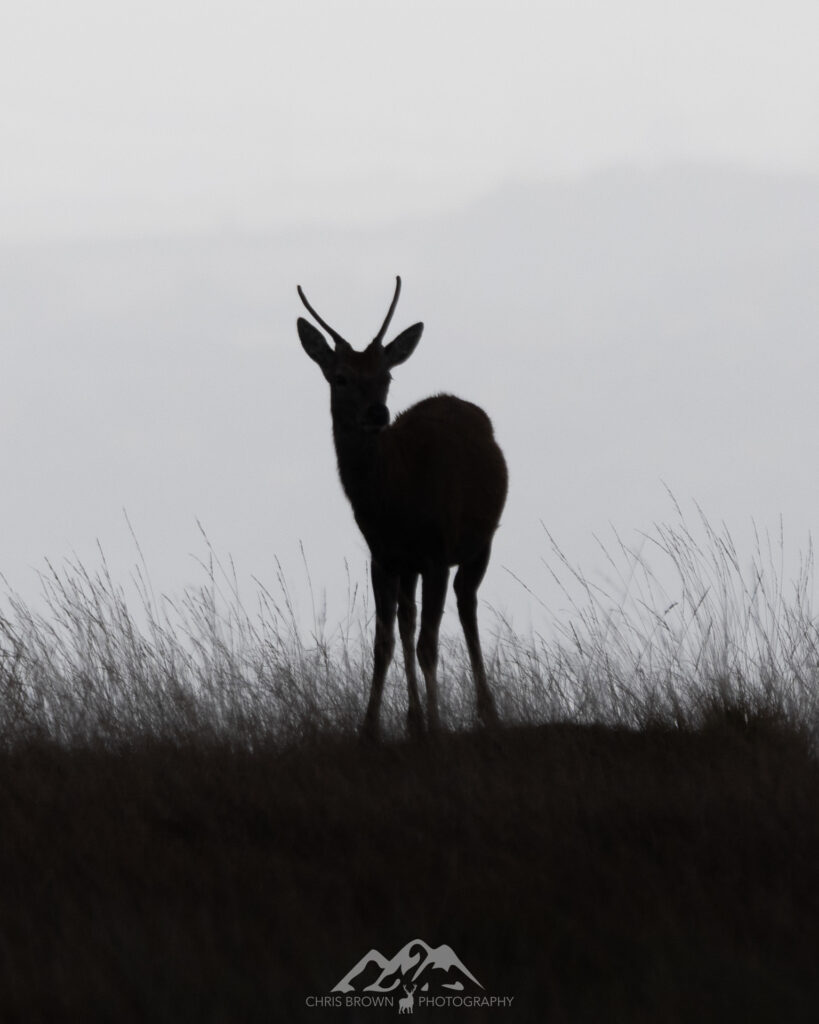
1. Be Patient and Observant
Wildlife photography isn’t about rushing—it’s about waiting. Spend time observing animal behavior and anticipate their movements. The more patient you are, the more likely you’ll capture a truly special moment.
2. Use the Right Gear
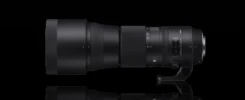
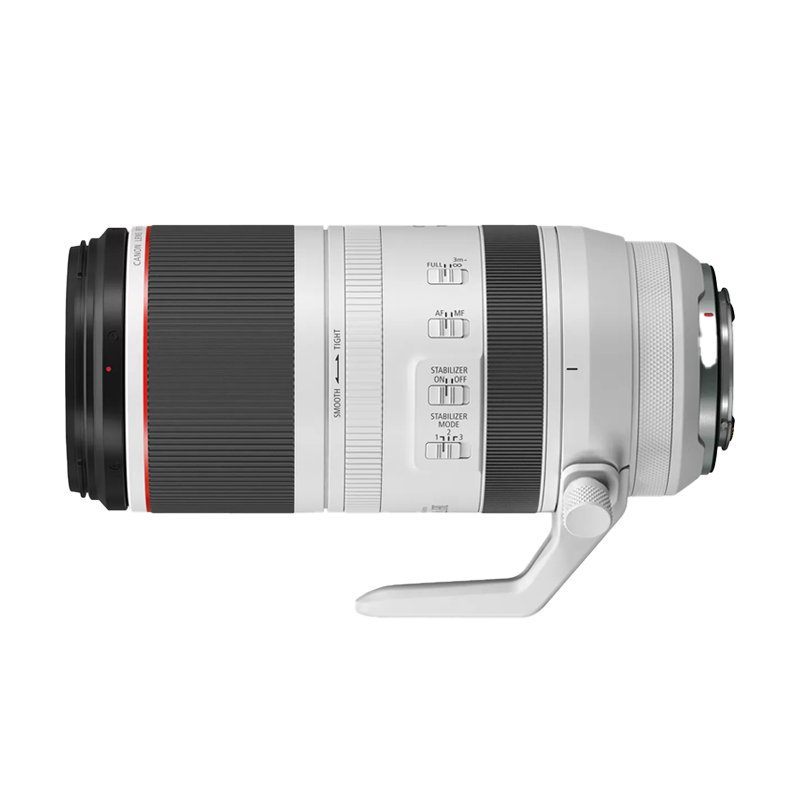
A good telephoto lens (e.g. 200mm–600mm) allows you to photograph animals from a safe distance without disturbing them. While high-end gear can help, understanding how to use what you have is even more important.
3. Focus on the Eyes for Impact
Sharp, well-focused eyes can bring your subject to life. Even if other parts of the image are slightly soft, crisp eyes create a strong emotional connection with the viewer.
4. Get to Eye Level with Your Subject
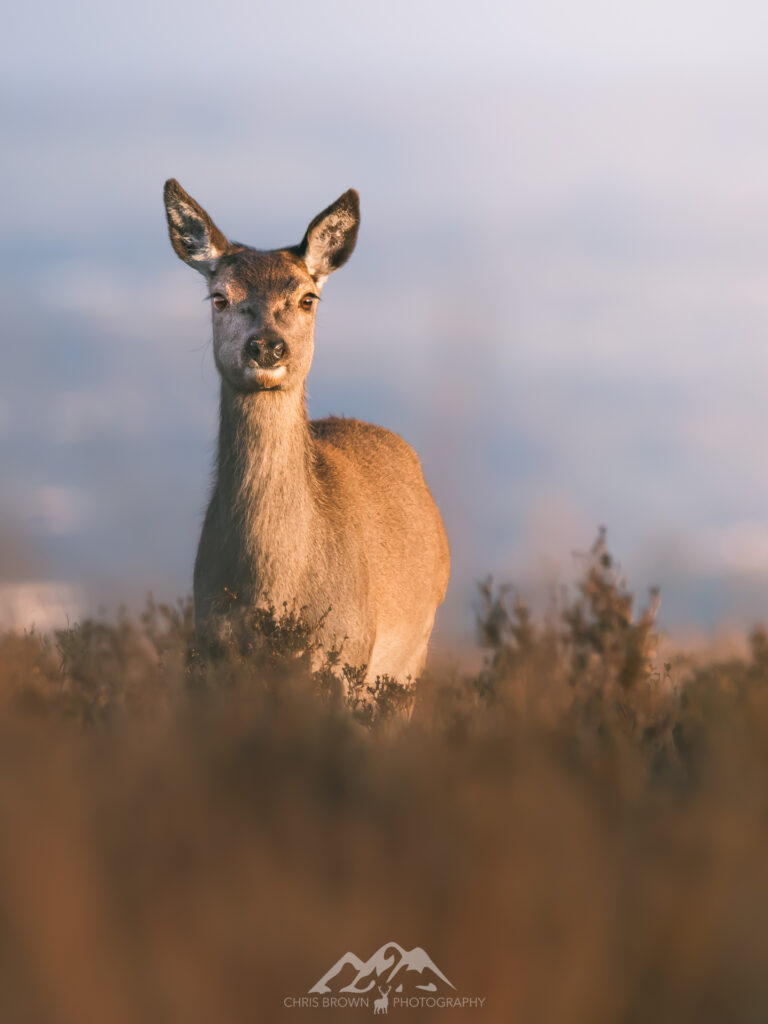
Whenever possible, position yourself at the same eye level as the animal. This creates a more intimate and engaging perspective, making the viewer feel connected to the subject rather than looking down on it. It can also help produce a more natural background and improve overall composition.
5. Pay Attention to Lighting
Early morning and late afternoon—often called the “golden hours”—provide soft, warm light that enhances textures and colors. Avoid harsh midday light, which can create strong shadows and washed-out images.
One last thing…
Respect Wildlife and Nature
Always prioritise the well-being of animals over getting the perfect shot. Keep a safe distance, avoid disturbing habitats, and follow local guidelines. Ethical photography ensures that wildlife remains protected for future generations.
With practice and respect for nature, your wildlife photography will not only improve but also tell powerful visual stories. Happy shooting!